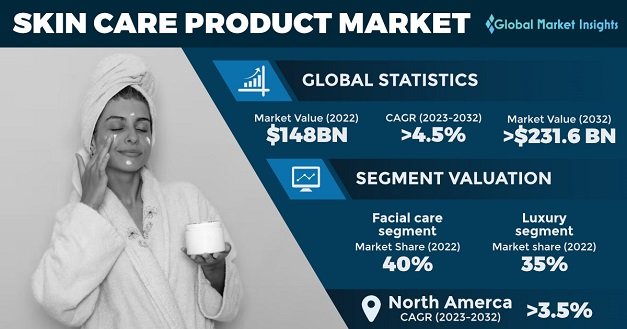
The global skincare industry is undergoing a remarkable transformation, driven by an insatiable consumer appetite for personalized solutions and a burgeoning ecosystem of advanced diagnostic technologies. At the heart of this evolution lies Skin Valuation & Market Analysis, a dynamic field that not only measures the economic heft of a sector but also dissects the intricate factors influencing consumer choices, technological adoption, and investment trends. We're witnessing a shift from generic product recommendations to hyper-customized routines, powered by data-driven insights into individual skin health. This isn't just about beauty anymore; it's about precision wellness.
At a Glance: Key Insights into the Skincare & Analysis Market
- The global skincare sector is a colossal $163.9 billion market in 2024, projected to reach $191.5 billion by 2029, with facial care leading the charge.
- Asia-Pacific dominates the skincare market, holding over half of the global share.
- The Skin Analysis Systems Market is booming, estimated at $1.47 million in 2026 and set to more than double to $3.37 million by 2035, growing at a robust 9.67% CAGR.
- Personalization is paramount: Over 52% of skincare users in 2023 preferred diagnostic-backed product recommendations.
- Technology is the engine: AI, 3D facial mapping, augmented reality (AR), and mobile scanning are revolutionizing diagnostics.
- AI adoption is soaring: Over 60% of new skin analyzers in 2023 featured AI, improving accuracy by 25% and reducing consultation time by 31%.
- Portability is key: Portable skin analysis devices accounted for 52% of global shipments in 2023, making diagnostics more accessible.
- High costs remain a barrier: Advanced systems can range from $7,000 to $25,000, limiting adoption in some regions.
- New frontiers: Tele-dermatology, home-use devices, and sustainable designs represent significant opportunities.
The Skincare Industry: A Global Powerhouse in Flux
Think of the skincare market today, and you're likely picturing more than just creams and serums. It’s a sophisticated landscape of research, technology, and consumer-centric innovation. Valued at an impressive $163.9 billion in 2024, the sector is on a steady upward trajectory, forecast to hit $191.5 billion by 2029. This growth isn't accidental; it’s a direct response to a confluence of powerful trends.
For starters, people are increasingly prioritizing healthy, personalized skincare routines. We’re moving away from one-size-fits-all solutions, seeking products tailored to our unique skin types, concerns, and even environmental exposures. This demand is further amplified by a rise in skin-related conditions, growing disposable incomes in emerging markets, and a discernible shift towards natural, organic, and sustainably sourced ingredients over synthetic alternatives.
Geographically, Asia-Pacific reigns supreme, capturing a dominant 52.5% market share in 2024. This leadership is fueled by a strong beauty culture, innovative local brands, and a large consumer base keen on advanced skincare. The Americas follow with a substantial 25.4% share, reflecting a mature market with robust cosmetic clinics and a high adoption rate of new technologies. Facial care remains the undisputed leader within the market, commanding a colossal 74.8% share, underscoring the universal desire for a healthy, radiant complexion.
Decoding the Skin Analysis Systems Market: Where Technology Meets Dermatology
While the broader skincare market sets the stage, the true innovation spotlight shines on the Skin Analysis Systems Market. This niche, yet rapidly expanding, segment is the engine behind personalized skincare, enabling precise diagnosis and targeted treatment. From a valuation of $1.47 million in 2026, it's projected to soar to $3.37 million by 2035, exhibiting an impressive 9.67% CAGR. This robust growth isn't just a number; it's a testament to how essential these systems have become.
What's driving this surge? It boils down to a growing consumer awareness of the benefits of personalized skincare and aesthetic treatments, coupled with a proactive approach to dermatological health. No longer content with guesswork, individuals are seeking evidence-based recommendations. In 2023, over 48,000 skin analysis devices were installed globally, adept at evaluating crucial parameters like hydration, pigmentation, pore size, elasticity, sebum production, and wrinkles. These sophisticated machines employ cutting-edge techniques such as multispectral imaging, UV light, and 3D visualization to provide an unparalleled view of skin health.
The Tech Revolution in Skin Diagnostics
The integration of artificial intelligence (AI) is perhaps the single most impactful trend reshaping skin analysis. In 2023, over 60% of new analyzers incorporated AI for image interpretation and pattern recognition. This isn't just a gimmick; AI significantly reduces consultation time by 31% and boosts diagnostic accuracy by a remarkable 25%. Imagine getting a precise skin assessment in minutes, backed by an AI that has analyzed countless data points.
Beyond AI, several other technological advancements are propelling the market forward:
- 3D Facial Mapping & Augmented Reality (AR): These technologies create highly detailed digital models of the face, allowing users and practitioners to visualize potential outcomes of treatments or product applications. It’s a game-changer for managing expectations and tailoring aesthetic plans.
- Mobile Skin Scanning Systems: The convenience of portability cannot be overstated. Portable devices constituted 52% of global shipments in 2023, bringing professional-grade analysis out of the clinic and into salons, retail environments, and even homes.
- Cloud-Based Skin Profiling Platforms: These platforms allow for seamless data storage, analysis, and access across multiple locations. For retail chains, this means consistent, data-driven recommendations regardless of where a customer walks in. A South Korean company, for instance, introduced a cloud-based system connecting 250 retail locations in early 2024, leading to a 33% increase in diagnosis-to-purchase conversion.
- Hybrid Salon-Medical Devices: Blurring the lines between cosmetic and clinical, these devices offer advanced diagnostic capabilities suitable for both aesthetic practitioners and dermatologists, catering to a wider range of services.
- Sustainability in Design: With increasing environmental awareness, manufacturers are also focusing on creating eco-friendly devices and consumables, aligning with broader industry trends.
The core driver for all these innovations? The growing demand for personalized dermatological treatments and product recommendations. It’s clear that consumers want solutions specifically designed for them, and these diagnostic systems are the key to unlocking that potential. In fact, over 52% of skincare users in 2023 actively preferred diagnostic-backed recommendations, highlighting a fundamental shift in consumer behavior.
Navigating the Market Landscape: Types, Applications, and Regional Dynamics
The Skin Analysis Systems Market is as diverse as the skin types it analyzes, segmented by device type, application, and geographical adoption. Understanding these segments is crucial for anyone looking to invest in, utilize, or simply comprehend this rapidly evolving sector.
Device Types: From Portable to Integrated Powerhouses
- Portable Devices: These are the workhorses of accessibility, making up 56% of units sold in 2023. Their compact size and affordability make them ideal for non-clinical settings like beauty salons, retail stores, and even burgeoning home-use markets. Their mobility is a significant advantage, particularly for traveling consultants or pop-up events.
- Tabletop Devices: These represent the standard for medical clinics and high-end aesthetic centers. Offering more robust features and often higher accuracy, they are a staple where dedicated diagnostic stations are maintained.
- Integrated Devices: These are comprehensive systems that combine imaging, diagnostics, and even customer relationship management (CRM) functionalities. Primarily found in high-end clinic chains, they offer a holistic approach to client management and treatment planning, streamlining operations and enhancing the client experience.
Key Applications: Where Skin Analysis Makes an Impact
- Dermatology Clinics: Unsurprisingly, dermatology clinics are primary users, with over 16,000 worldwide adopting these systems. They leverage advanced diagnostics for clinical assessments, treatment planning, and monitoring patient progress.
- Salons and Aesthetic Centers: These establishments are increasingly incorporating skin analysis to offer more personalized consultations and product recommendations. Over 8,000 salons in Southeast Asia alone adopted portable analyzers in 2023, showcasing the strong demand in the beauty sector.
- Research Labs: For product development and efficacy testing, research labs rely on these systems for objective, quantifiable data on how ingredients and formulations affect skin parameters.
Regional Adoption: A Global Picture
The adoption of skin analysis systems isn't uniform across the globe, reflecting varying market maturities, economic conditions, and regulatory environments.
- North America: Leads the pack with over 19,000 operational systems. This dominance is driven by a robust cosmetic clinic infrastructure, high consumer awareness, and a strong demand for advanced aesthetic treatments.
- Europe: A mature market with approximately 12,500 units, Europe focuses heavily on data privacy, exemplified by GDPR compliance, and a growing emphasis on eco-friendly device designs.
- Asia-Pacific: The fastest-growing market, Asia-Pacific saw over 15,000 new systems introduced between 2022-2023. Countries like South Korea, China, and Japan are at the forefront, fueled by a beauty-conscious culture and rapid technological adoption.
- Middle East & Africa: An early-stage market with around 1,200 systems installed in 2023. While luxury clinics are driving initial adoption, infrastructure limitations and high costs remain significant barriers.
Opportunities and Overcoming the Hurdles
The journey of innovation is rarely without its challenges, and the skin analysis systems market is no exception. However, these hurdles also pave the way for exciting opportunities.
Key Restraints and Mitigation Strategies
The most significant restraint is the high cost of advanced diagnostic systems, which can range from $7,000 to $25,000. This steep price point deterred over 41% of potential buyers in 2023, particularly limiting adoption in developing regions like Latin America and Africa. To mitigate this, manufacturers are exploring more affordable, scalable solutions, including subscription models or modular systems.
Another critical challenge is data privacy concerns and regulatory compliance. As these systems collect sensitive biometric data, new guidelines were introduced in at least seven countries in 2023. Companies must invest in robust data security protocols and ensure transparent consent processes to build and maintain consumer trust. This also involves navigating fragmented international regulations, which can be complex.
Unlocking New Opportunities
Despite the challenges, the market is brimming with opportunities:
- Expansion into Tele-dermatology: The pandemic accelerated the adoption of virtual healthcare, and tele-dermatology is a prime candidate for growth. Over 2 million tele-dermatology consultations in 2023 incorporated image-based diagnostics, demonstrating the demand for remote analysis. This allows practitioners to reach a wider patient base and offer convenient follow-ups.
- Home-Use Segments: The launch of portable analyzers priced under $400 is opening up the consumer market. These devices, often paired with smartphone apps, empower individuals to monitor their skin health at home, leading to more informed product choices and earlier detection of concerns.
- Integration with Wearable Technology: Imagine a wearable patch that continuously tracks your hydration levels and UV exposure. A European firm is already piloting such a device in five countries, hinting at the future of proactive, real-time skin monitoring.
- Retail Partnerships: Cloud-based systems are proving highly effective in retail settings, directly linking diagnostics to product recommendations and sales conversion. This data-driven approach is a win-win for both consumers and businesses.
Just as precise digital tools help users generate CS2 skins by inspecting detailed models, advanced skin analysis meticulously maps complex dermal features. This deep inspection is critical for creating accurate "skin valuations" that drive market decisions.
The Pulse of Innovation: Investment and New Product Development
The vibrancy of the skin analysis market is best seen in the flurry of investment and product development. In 2023, global investment exceeded an astonishing $410 million, with a strong focus on AI, IoT (Internet of Things), and cloud-based diagnostics. More than 25 startups specializing in AI skincare diagnostics each secured individual investments over $5 million, signaling strong confidence in the sector's future.
New product development is centered on pushing technological boundaries, enhancing user experience, and improving accessibility:
- AI-Based Multi-Parameter Facial Scanners: Over 90 models were introduced in 2023, offering comprehensive skin assessments with rapid, AI-driven analysis.
- Voice-Enabled Diagnostics: Fifteen new systems featuring voice commands were launched in 2023, making devices more intuitive and user-friendly, especially for practitioners with gloved hands. A U.S.-based brand notably deployed over 4,800 units of a voice-command and multilingual skin scanner across 12 countries in 2023.
- 3D Modeling and AR Visualization: Over 1,800 new systems incorporated these features, providing immersive visual simulations of treatment outcomes. An Ireland-based startup secured $11 million in Q3 2023 for its 3D facial modeling scanner with AR treatment simulation capabilities.
- Wearable Skin Monitoring Patches: As mentioned, these promise continuous, passive monitoring of vital skin parameters.
- Biometric Security: Ensuring data integrity and user privacy through advanced biometric authentication for accessing sensitive skin profiles.
- Material Innovation: Developing devices that are not only effective but also sustainable and hypoallergenic.
Recent market developments highlight this rapid pace: - In 2024, a major manufacturer launched a portable AI skin analysis device with real-time treatment planning, quickly racking up over 500 preorders.
- A European firm's partnership to develop a wearable diagnostic patch tracking hydration and UV exposure is undergoing pilot studies across five countries, promising a new era of proactive skincare.
Top companies leading this charge include industry stalwarts like Canfield Scientific, VISIA, Courage + Khazaka, Aram Huvis, and FotoFinder Systems, alongside innovative players like BOMTECH Electronics and NeoDerma, all contributing to a competitive and dynamic market.
What Lies Ahead: The Future of Personalized Skin Wellness
The future of Skin Valuation & Market Analysis is undeniably bright, characterized by increasing personalization, technological sophistication, and broader accessibility. We’re moving towards a world where understanding your skin's unique needs is as commonplace as checking your daily weather forecast.
Imagine a scenario where your home device, connected to a cloud-based platform, analyzes your skin every morning, taking into account environmental factors, stress levels, and even your diet. It then recommends a perfectly tailored regimen for the day, suggests adjustments to your routine, or alerts you to potential concerns, prompting a tele-dermatology consultation. This isn't science fiction; it's the trajectory of the market.
For consumers, this means more effective skincare, better preventative measures, and a more holistic approach to skin health. For businesses, it represents an opportunity to build deeper, data-driven relationships with customers, fostering loyalty through hyper-personalized solutions. The companies that will thrive are those that continue to innovate, prioritize data privacy, and make advanced diagnostics accessible and affordable.
The journey towards truly personalized skin wellness is well underway, with technology as its compass and consumer demand as its wind. Staying informed about these trends isn't just about market insight; it's about understanding the next frontier of personal care.