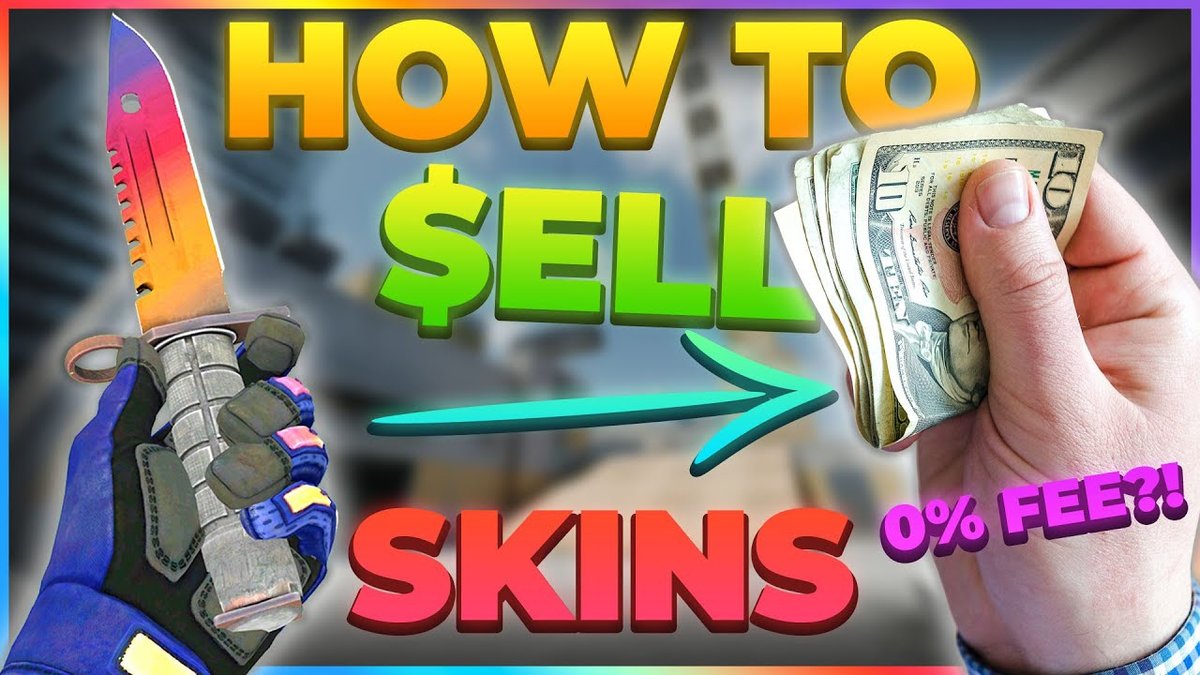
Buying & Selling CS2 Skins Strategically for Profit: Your Ultimate Guide
You’ve probably seen the headlines: rare CS2 skins selling for astronomical sums, turning virtual pixels into real-world fortunes. It’s a captivating thought, isn't it? The dream of unboxing a legendary knife or landing a phenomenal deal that skyrockets in value. While pure luck plays a role, consistently profiting from the CS2 skin market isn't about hope—it's about buying & selling CS2 skins strategically. It's about understanding the nuances, spotting opportunities, and sidestepping common pitfalls that cost others dearly.
Consider this your comprehensive playbook, crafted not just to inform, but to empower you with the knowledge and confidence to navigate this dynamic digital economy like a seasoned investor, not just a casual player.
At a Glance: Key Takeaways for the Strategic Skin Trader
- Market Fluctuations Are Your Friend: Skin prices are driven by supply and demand, creating opportunities for profit if you understand trends.
- Steam Isn't Your Only Option: While secure, the Steam Community Market often has higher prices and limits your funds to the Steam ecosystem.
- Third-Party Markets Offer More: Platforms like DMarket provide better prices, more payment options, and the ability to cash out real money, but require due diligence.
- Timing is Everything: Buy when prices are low (e.g., during major sales or market saturation) and sell when demand is high (e.g., after game updates, major tournaments).
- Research is Non-Negotiable: Always check price trends, compare listings, and verify platform legitimacy before any transaction.
- Avoid Scams: Stick to trusted platforms and verify every trade offer meticulously. If it looks too good to be true, it probably is.
Decoding the CS2 Skin Economy: Supply, Demand, and Value
Before you dive headfirst into the market, it's crucial to grasp the fundamental forces at play. The value of a CS2 skin, from a common "Factory New" AK-47 | Safari Mesh to an ultra-rare "Souvenir Dragon Lore," hinges on classic economic principles: supply and demand.
How Skins Enter the Ecosystem:
- In-Game Drops: As you play CS2, you occasionally receive random skin drops. This is the cheapest method (free!), but the drops are unpredictable, mostly low-value, and happen infrequently. Think of it as hitting the lottery, but usually for pennies.
- Case Openings: A more exciting, albeit costly, gamble. You need a weapon case (obtained via drops or the Steam Market) and a corresponding key, which costs around $2.50. Opening a case gives you a random item from its collection, ranging from common "mil-spec" skins to extremely rare knives or gloves. It's a thrill, but the odds of profiting are significantly against you, similar to playing a slot machine.
These methods constantly feed new skins into the market, influencing overall supply. The rarer the drop, the higher the potential value—but also the lower the chances of acquiring it this way.
What Drives Demand (and Price):
- Rarity: Obvious, right? Legendary items, those with specific patterns (e.g., "Blue Gems" on Case Hardened skins), or skins from discontinued collections command higher prices.
- Float Value (Wear): A skin's "float" determines its wear level, from pristine "Factory New" to battle-hardened "Battle-Scarred." Generally, lower float (less wear) means higher value. Understanding this crucial detail can significantly impact your buying decisions. Learning how to inspect and generate CS2 skins effectively is your first step to truly appreciating these nuances and spotting valuable floats.
- StatTrak™: Skins equipped with a StatTrak™ counter track your kills, adding a layer of desirability and often a premium to their price.
- Stickers & Crafts: Rare or perfectly placed stickers can dramatically increase a skin's value, turning a common item into a unique collectible.
- Community Trends & Popularity: Influencers, major tournaments, or even simple aesthetic preferences can create sudden spikes in demand for certain skins. A skin used by a winning pro player, for instance, might see a temporary surge in interest.
- Game Updates & Events: Major game updates, new operations, or seasonal events can either introduce new items (diluting the market for older ones) or create excitement that boosts overall market activity.
Where to Play: Navigating the CS2 Skin Marketplaces
Your choice of marketplace is perhaps the most critical decision in your strategic journey. Each platform comes with its own advantages and drawbacks, impacting price, security, and your ability to monetize.
1. The Steam Community Market: The Safe, Predictable Hub
Pros:
- Unparalleled Security & Legitimacy: Integrated directly by Valve, the Steam Market is virtually immune to scams involving fake skins or fraudulent transactions. What you see is what you get.
- Ease of Use: If you're already a Steam user, the interface is familiar and straightforward.
- Direct Integration: Skins are transferred directly to and from your Steam inventory.
Cons: - Higher Prices: Prices on Steam are often higher than third-party sites due to Valve's 15% transaction fee (5% Steam fee + 10% CS2 fee) and the "walled garden" nature of its economy.
- Steam Wallet Only: All transactions use Steam Wallet funds. You cannot buy skins with real money directly, nor can you withdraw your earnings to a bank account or PayPal. Any profit you make is locked within the Steam ecosystem, only usable for other Steam purchases.
- Limited Price Discovery: While you can see recent sales, robust analytics for deep strategic buying can be limited.
Best For: Casual traders, those who only want to use their profits for more Steam games or items, or anyone prioritizing absolute security above all else.
2. Third-Party Marketplaces: Unlocking Profit Potential (with Caution)
This is where the real strategic trading often happens, but it requires a discerning eye. Third-party sites offer better prices and more flexibility, but the landscape is also home to less reputable platforms. Diligent research is paramount.
Why They're Attractive:
- Better Prices: Due to lower fees (or different fee structures) and direct seller-to-buyer interactions, you can often find skins significantly cheaper than on Steam.
- Real Money Transactions: The biggest draw for profit-oriented traders. You can deposit real money to buy skins and, crucially, withdraw your earnings from selling skins directly to your bank, e-wallet, or other payment methods.
- Wider Selection & Tools: Many offer more advanced search filters, price history charts, and trading bots.
- Payment Flexibility: Support for various payment methods beyond just Steam Wallet.
The Catch: - Trust and Security: Not all third-party sites are created equal. You must verify their legitimacy, security protocols, and community reputation to avoid scams. Always check reviews, community discussions, and ensure they have robust fraud protection.
DMarket: A Closer Look at a Leading Third-Party Option
When discussing trusted third-party marketplaces, DMarket frequently comes up as a strong contender, and for good reason. It embodies many of the benefits strategic traders look for:
- Massive Inventory: DMarket boasts thousands of items, from everyday skins to ultra-rare collectibles, with new additions constantly flowing in. This vast selection increases your chances of finding hidden gems or exactly what you're looking for.
- Competitive Pricing: Prices on DMarket are market-driven and often considerably lower than Steam. For example, a StatTrak™ Falchion Knife might be listed for $155 on DMarket while fetching $189 on Steam (based on historical data). Savvy buyers often check the "On Sale" tab for immediate deals.
- Top-Tier Security: They prioritize user safety with advanced fraud protection systems and a "Trust Shield" extension, aiming to mitigate risks inherent in third-party trading. Always ensure you're using official extensions and connecting to the correct site.
- Flexible Payment Methods: DMarket supports a wide array of payment options, including major credit/debit cards (Visa, MasterCard), popular e-wallets, and even checks. Many transactions come with low fees or are entirely fee-free, optimizing your purchasing power.
- True Monetization: Unlike Steam, DMarket allows you to withdraw real money from your sales. This is a game-changer for anyone looking to turn their CS2 skin investments into actual profit.
Actionable Tip: If you're serious about profiting, explore DMarket and similar reputable platforms (after verifying their trustworthiness). Compare prices across Steam and these third-party sites religiously before buying or selling.
Your Strategic Playbook: Buying Skins for Profit
Buying smart is the cornerstone of profitable trading. It's not about impulse purchases, but calculated moves.
1. Become a Market Data Scientist
You wouldn't invest in stocks without checking charts, would you? The same applies to skins.
- Monitor Price Trends: Use sites like CS:GO Stash (or successor sites if CS:GO Stash focuses solely on CS:GO, look for CS2-specific market trackers) or the Steam Market's own price history graphs. These show you historical price fluctuations, helping you identify typical price ceilings and floors.
- Identify "Underpriced" Skins: Look for skins selling below their recent average. This could be a seller looking for a quick sale, or a temporary dip due to market saturation.
- Set Price Alerts: Many third-party marketplaces and tracking sites allow you to set alerts for when a specific skin drops below a certain price. This is a powerful tool for catching deals.
2. Spotting Opportunities: What to Buy
- Event-Related & Limited Editions: Skins tied to major CS2 tournaments (Majors), operations, or seasonal events often see price spikes leading up to or shortly after the event, especially if they're limited-time drops. Holding these can be profitable.
- "Undervalued" Rarity: Sometimes, certain skins from older, discontinued cases or collections might be overlooked. If a skin is genuinely rare but its price hasn't yet reflected that scarcity, it's a potential investment.
- New Case Releases: When a new case drops, the skins within it are often highly sought after, driving initial prices up. However, as more cases are opened, supply increases, and prices usually fall. The strategic move here is often to buy after the initial hype dies down and prices stabilize or dip, then hold for future appreciation.
- Skins with Investment Potential: These are often specific finishes, rare patterns (e.g., specific Case Hardened patterns, Doppler phases), or items that have historically shown appreciation. For example, certain stickers or cases that are no longer dropped.
- Bulk Buying Commons (Low-Risk, Low-Reward): If you have a larger budget, buying a large quantity of very cheap, popular skins can yield small profits over time. The idea is that even a small price increase per skin, multiplied by hundreds or thousands of items, adds up. This strategy usually involves buying on third-party markets where fees are lower.
3. Know Your Budget and Risk Tolerance
Never invest more than you can afford to lose. The CS2 skin market, while potentially lucrative, is speculative. Prices can fall just as easily as they rise. Diversify your investments rather than putting all your eggs in one "Dragon Lore" basket.
Your Strategic Playbook: Selling Skins for Maximum Return
Selling strategically is about patience and timing, not just offloading items quickly.
1. Timing is Everything: When to Sell
- Post-Update or Tournament Hype: After a major CS2 update that introduces new features or an exciting Major tournament concludes, player engagement often spikes. This increased activity can drive demand (and prices) for popular skins. Selling into this hype window can be highly profitable.
- Seasonal Events: Holiday seasons (Christmas, New Year, summer sales) can sometimes see increased buying activity as players receive gifts or have more disposable income/time.
- Anticipate Market Changes: If a new case is rumored to drop, or an existing case is about to be discontinued from drops, this can impact prices. Selling skins from a case that's about to be "retired" might be a good move before the market is flooded with sellers. Conversely, selling skins that are in a case about to be retired might be a good idea after the retirement, when the supply is fixed.
- Follow Community Sentiment: Engage with CS2 trading communities on Reddit, forums, or Discord. They often have early insights or educated guesses about market movements.
2. Trading vs. Direct Selling: Weighing Your Options
- Direct Selling (Marketplaces): Simple, straightforward. You list your item, a buyer purchases it, and you get funds (after fees). This is best for maximizing cash profit.
- Trading: Instead of selling for money, you exchange your skin for another skin or a collection of skins.
- Pros: Allows you to potentially "upgrade" your inventory without incurring marketplace fees. You can trade multiple lower-value skins for a higher-value one.
- Cons: Requires finding a fair trade partner, evaluating skin values meticulously (including floats, patterns, stickers), and being extremely wary of scams. Always use reputable trading platforms or trusted intermediaries. Never trade outside of secure trade windows.
Hidden Costs: Be mindful of fees, whether it's Steam's 15% or a third-party's lower percentage. Factor these into your expected profit. If trading, ensure you're not trading for items that will be harder to sell later or that have inflated values.
Navigating the Minefield: Avoiding Scams and Pitfalls
The allure of quick profit attracts scammers. Protect yourself.
- Stick to Reputable Platforms: As emphasized, the Steam Community Market is the safest for transactions (though limited in monetization). For third-party trading, use well-established sites like DMarket that have a proven track record, strong security, and positive community reviews.
- Verify Everything, Twice:
- Seller/Buyer Identity: If trading, always double-check the Steam profile of your trade partner. Look for suspicious activity, low Steam level, or recent name changes.
- Trade Offers: Crucially, meticulously inspect every item in a trade offer. Scammers often swap out a high-value item for a visually similar, low-value one at the last second. Check the float, StatTrak™ status, stickers, and exact name of each item.
- Phishing Links: Never click on suspicious links sent via chat or email, especially those claiming to be Steam or a trading site. Always navigate directly to the official website.
- Impersonation Scams: Be wary of people claiming to be Valve employees, reputable traders, or famous personalities. Valve staff will never contact you for item verification or trades.
- "Too Good to Be True" is a Red Flag: If someone is offering you a trade that seems incredibly lopsided in your favor, or a price significantly below market value, it's almost certainly a scam attempt. Trust your gut.
- Avoid External Websites for Authentication: Never log into Steam on a site other than the official Steam website (store.steampowered.com, steamcommunity.com). Scammers create fake login pages to steal your credentials.
Pro Tips for the Aspiring Skin Mogul
- Patience is a Virtue: The most successful traders don't chase every fleeting trend. They identify long-term potential and wait for the right moment.
- Start Small: Don't bet your entire savings on a single skin. Begin with lower-value trades to learn the ropes, understand market dynamics, and build confidence.
- Diversify Your Inventory: Don't put all your capital into one type of skin. Spread your investments across different rarities, weapon types, and collections to mitigate risk.
- Stay Informed: Follow CS2 news outlets, major tournament results, and community discussions. Being ahead of the curve with information can give you a significant edge.
- Manage Your Inventory: Keep your valuable skins secure and organized. Understand the tax implications of profiting from digital assets in your region.
- Inspect Before You Invest: Always examine the float value, patterns, and any unique features of a skin before buying. These details significantly impact value. If you're unsure about a skin's unique characteristics, revisiting how to inspect and generate CS2 skins can hone your eye for detail.
Frequently Asked Questions About CS2 Skin Trading
Q: Is buying and selling CS2 skins illegal?
A: No, it's generally not illegal. However, laws regarding digital assets and virtual currency can vary by country. Always check local regulations. Using official or reputable third-party marketplaces is key.
Q: Can I really make a living off CS2 skin trading?
A: While possible for a very dedicated few, it's extremely difficult and risky. Most successful traders view it as a supplementary income or a hobby with potential profit, not a primary job. It requires significant capital, time, research, and a high tolerance for risk.
Q: What's the fastest way to get rich with CS2 skins?
A: There is no "fastest" way that isn't extremely high-risk, akin to gambling. Opening cases offers a slim chance of a big win, but the odds are heavily against you. Consistent profit comes from strategic, patient, and informed trading, not quick schemes.
Q: How do I know if a third-party marketplace is trustworthy?
A: Look for:
- Long-standing reputation: Has it been around for years?
- Positive community reviews: Check Reddit, Trustpilot, and other forums.
- Secure website: HTTPS, clear terms of service, robust privacy policy.
- Transparent fees: Clearly stated transaction costs.
- Excellent customer support: Responsive and helpful.
- Strong security features: Two-factor authentication, fraud protection.
Q: What are the biggest mistakes new traders make?
A: Impulsive buying/selling, not doing price research, falling for scams, over-investing in a single item, ignoring marketplace fees, and not understanding float values.
Your Next Steps to CS2 Skin Riches
The world of CS2 skin trading is a fascinating blend of gaming, economics, and community. It offers genuine opportunities for profit, but only to those who approach it with a strategic mindset. You now have the foundational knowledge: how the market works, where to trade, what to look for, and—most importantly—how to protect yourself.
The path to profitable trading begins with action. Start by observing the markets, comparing prices, and getting comfortable with the platforms. Make small, informed purchases, learn from every transaction, and continuously refine your strategy. With patience, discipline, and a commitment to research, you can turn your passion for CS2 into a rewarding and lucrative endeavor. Happy trading!